We live in an age of unprecedented consumption, fueled by the allure of fast fashion and the endless scroll of online marketplaces like Instagram. The ease of clicking “add to cart” has created a culture of disposability as represented by the Netflix special, Buy Now! In the case of clothing, such pieces are seen as temporary with a trend that is quickly embraced by the masses and just as swiftly discarded. Regardless of one's social standing in life, there are many reasons to buy less and buy better.
The first starts with aligning our actions with our values. During the Gilded Age, most Americans agreed that we should respect labor and protect the environment out of human dignity and posterity for future generations.
Through industrialization then globalization, the challenge then became a competitive advantage by poor countries overseas that don’t adhere or have the governor power to enforce such standards. I was first inspired to learn more about the topic a decade ago after watching The True Cost on Netflix in the summer of 2015, just months before I opened a menswear retailer.
Publicly traded mass manufacturers have to report to Wall Street every quarter with proof that sales are going up and/or costs are going down in an effort to appease stockholders via increased margins. To stay competitive, large private owners followed suit. The end result has become a concept of “out of sight, out of mind” morality that many of us are unwilling to acknowledge. As long as prices stay low for consumers, that's all that mattered. Many international workers might come out of deep poverty but few if any reach beyond the first rung of the socioeconomic ladder. In addition, the environmental impact of this relentless cycle is staggering, from overflowing landfills to beaches flooded with unwanted garments around the world.
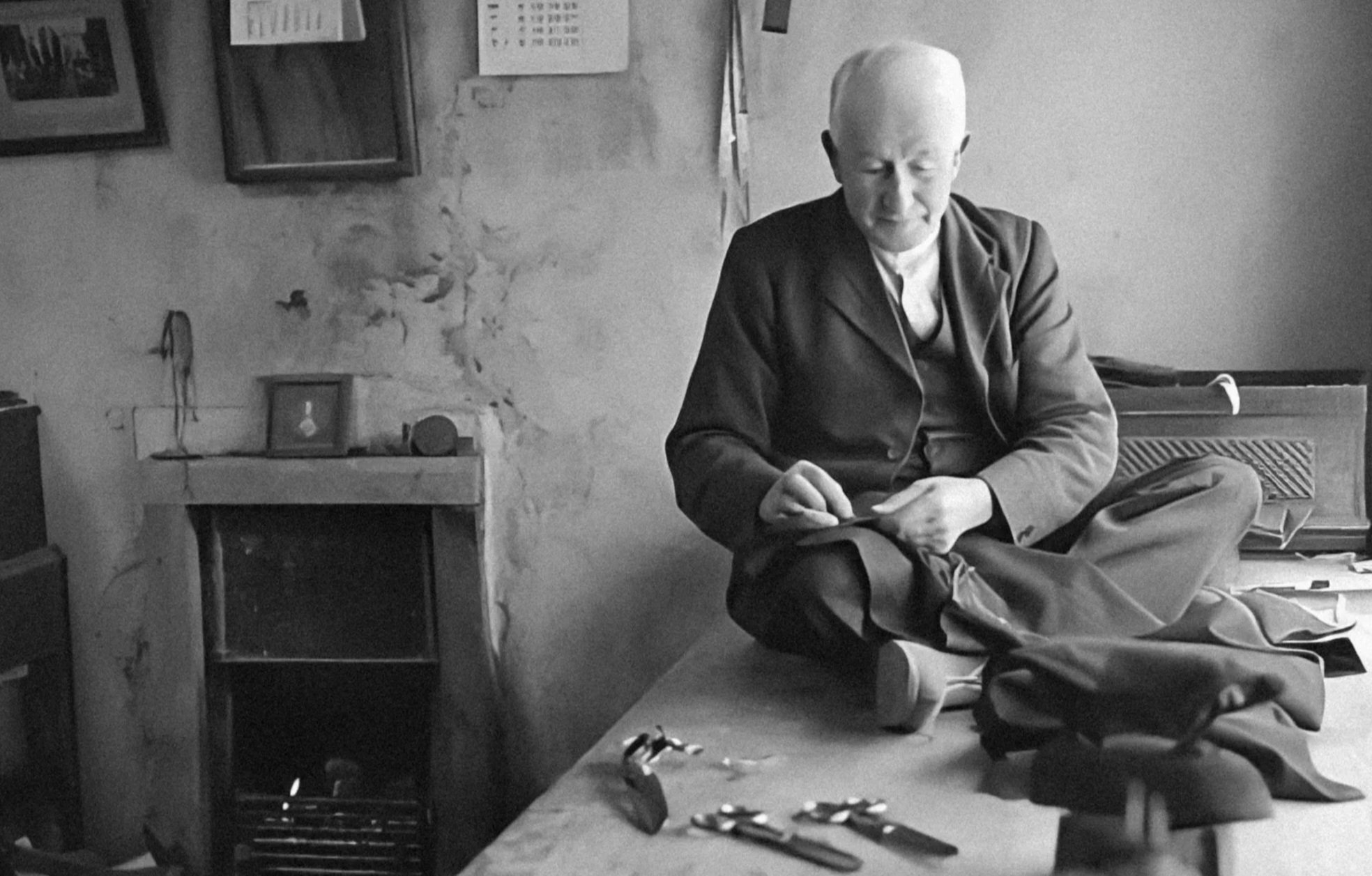
The second reason to buy less and buy better is because it’s a timeless practice. It isn't revolutionary or new and takes us back to a time when clothing was viewed as an investment, crafted by American hands and from quality materials designed to last. My menswear journey began at Brooks Brothers in 2009 where I learned a lot during my time with the nation’s oldest privately owned clothing retailer, founded in 1818. Because traveling salesmen didn’t have the time for multiple fittings, Brooks developed the No. 1 Sack Suit, a ready-to-wear garment. Customers could not believe the quality would be comparable, so Brooks merchandised the jackets by laying them inside out on tables for customer inspection.
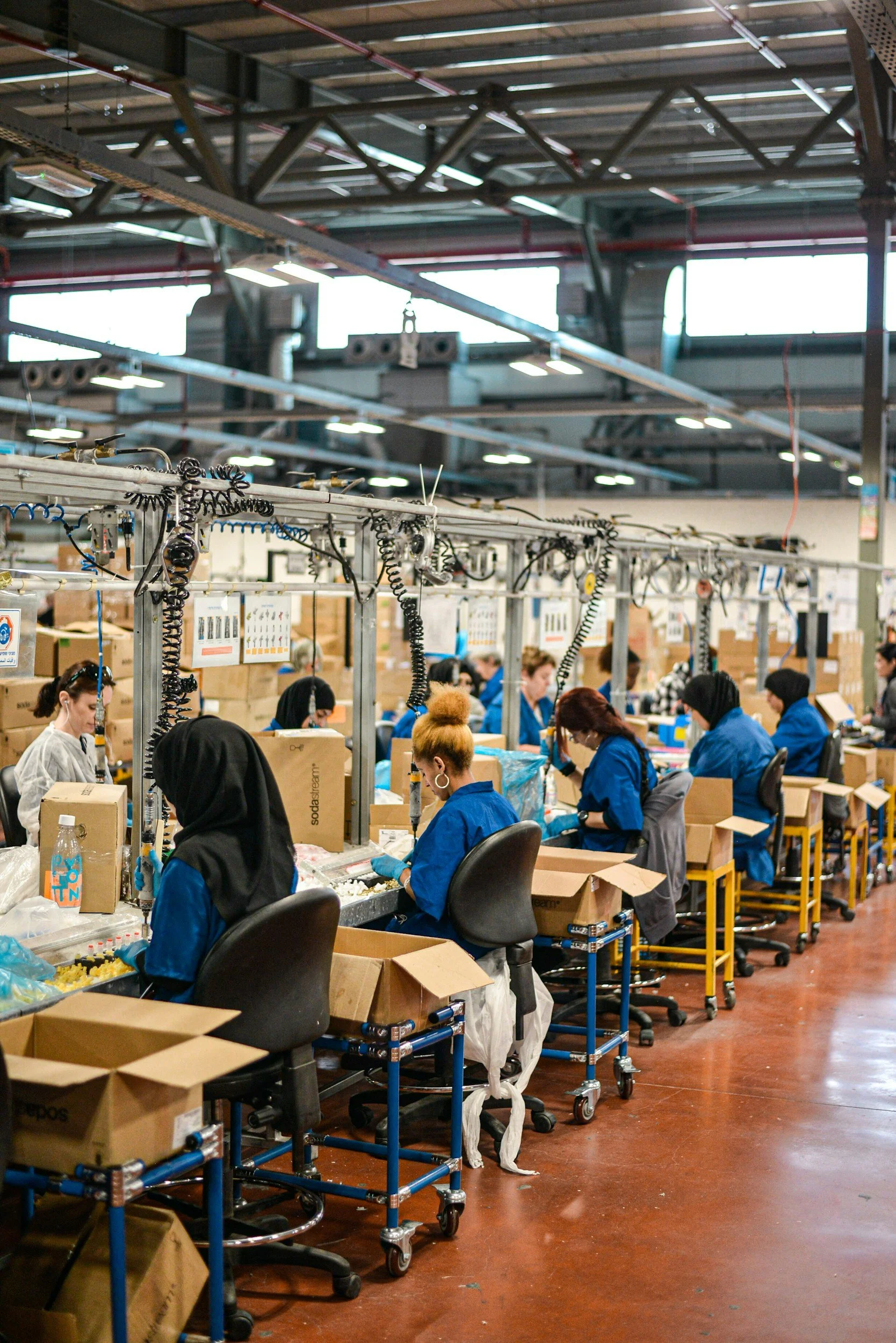
Today, the U.S. apparel market is the largest in the world; however, only about 3% of those goods are actually made in America. Despite the disparities in environmental and labor law, there is still a comparative advantage to making garments overseas. While it is unlikely that U.S. industrial policy such as tariffs will recover those jobs, there are still tailors and manufacturers in the U.S. like the Roberti family, owners of Adrian Jules. Located in Rochester, NY, they have been in operation since 1962.
The wisdom of this high quality, American Made approach is more relevant than ever. Choosing well-made, timeless pieces over fleeting trends not only reduces our environmental footprint but also cultivates a more thoughtful and satisfying personal style.
By default, purchasing custom clothing is a practice that embodies the “buy better” philosophy. Unlike mass-produced garments, custom pieces are designed with the individual in mind. They take into account personal preferences, body shape, and the need for longevity. Custom garments often feature larger seam allowances, allowing for alterations over time as one’s body changes. Furthermore, the use of natural, high-quality fabrics ensures a durability that fast fashion will never be able to replicate. For the man that just hates shopping, this is also a “do it once, do it right” approach that is appealing to the striver with little time to spare.
The HBO documentary Suited gives insight into the custom clothing needs and underserved market of people who do not fit the traditional masculine or feminine body shapes. Clothing can project an image of competence and confidence, influencing how one is perceived and heard. Investing in timeless pieces that reflect one’s authentic self and fosters a sustainable personal brand that builds credibility over time.
For retailers and direct sellers, embracing custom offerings also presents a sustainable business model. It reduces the risks associated with large ready-to-wear inventories and fosters stronger customer loyalty. By offering personalized solutions, businesses can cater to individual needs and build lifelong relationships with their clientele.
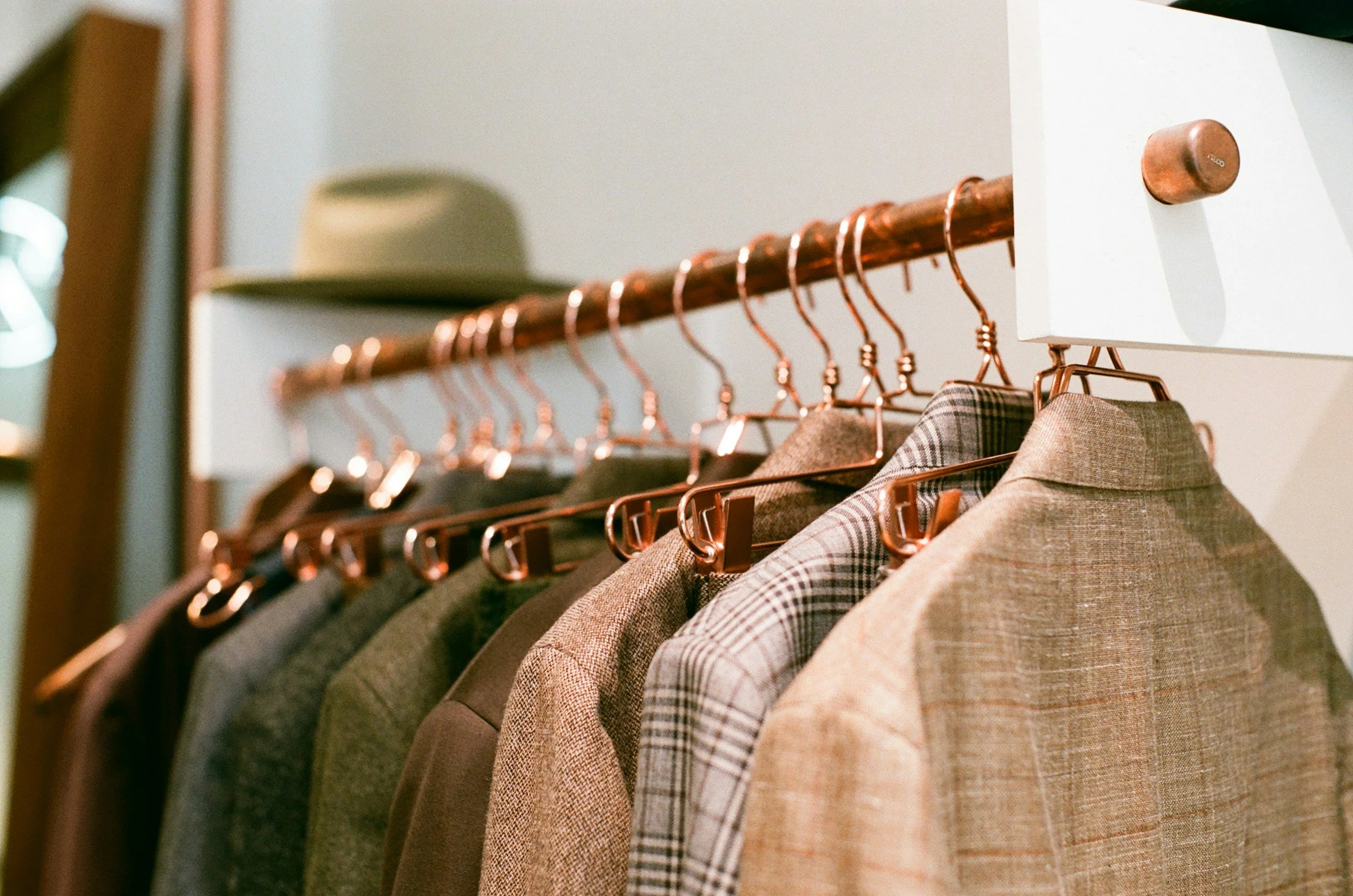
I can speak to this personally as a former retailer. Perhaps out of desperation to keep cash flow up in the new business, I came to distrust the model of ‘turning the inventory,’ which kept the focus on the owner and not the client as I sought to clear items at the end of the season. I also didn’t understand buying items like outerwear nearly a year in advance, only to put the leftovers on sale at a deep discount and loss in January after consumers recovered from the credit card hangovers accumulated after the holiday season.
The growing awareness of the environmental and social costs of fast fashion is encouraging. Younger generations, in particular, are increasingly embracing sustainable practices like thrifting and seeking out vintage clothing. This shift in mindset signals a promising move toward a more conscious approach to consumption.
Ultimately, the call to “buy less, buy better” is an invitation to be more mindful about our purchasing decisions. It’s about valuing quality over quantity, longevity over fleeting trends, and the enduring power of thoughtful design. By embracing this philosophy, we can not only reduce our impact on the planet and support workers, but also cultivate a more authentic and sustainable personal style that serves us well for years to come.
Robert Ordway is the owner of Rusted Oak, an image consulting company, formerly a menswear retail store. He got his start in menswear at both Brooks Brothers and J.Crew. He became a certified custom clothier in 2015 and served as the Board Secretary for the Custom Tailors & Designers Association (CTDA) in New York City from 2022-2026.